We get specific.
Whose opinion do you hear first when you make a decision? What do you want, and what happens when you go for it? We look at the particular things that keep taking over in your life.
The person behind the work
Kemina Fulwood · Founder, The Coherence Lab
Architect of Coherence
I take this work seriously.
Myself? Less so.
You’re trusting me with the bits of your life that aren’t easy to talk about. You should know who I am.
Here’s where the work began ↓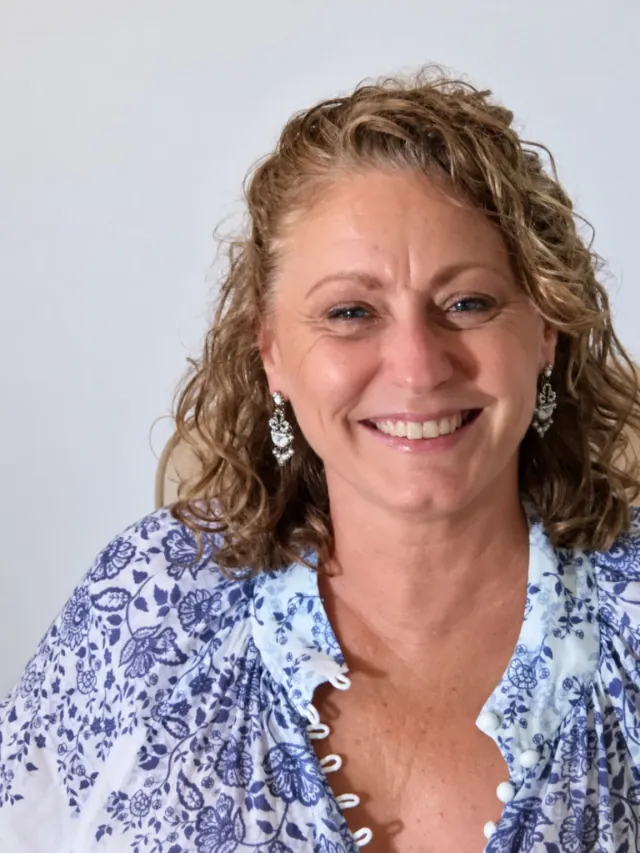
You can bring all of you
You don’t need to make a convincing case for why you’re here. You can be smart, strong and the person everyone relies on, and still find yourself wondering how you got so far away from yourself.
A controlling relationship. Manipulation in your family. Someone at work who keeps making you question yourself. It can be bloody difficult to make sense of what’s happening when you’re used to being able to handle things.
You can bring that here. We’ll start with what’s actually happening.
Where the work began
My understanding of control began long before my practitioner training.
It began in childhood, with a controlling and abusive father who repeatedly called me dumb. Eventually, I believed him. Years later, several IQ tests showed me how far that belief was from the truth.
There was a partner who tried to kill me. And in advertising and corporate life, I encountered environments where vanity, power and control shaped the room.
Sixteen years in corporate, government and agency work included organisations such as Jetstar, ANZ, Virgin Australia, Origin Energy and Cricket Australia. I knew strategy, stakeholders, pressure and the particular exhaustion of always being “on.”
I could be capable, perceptive and good at what I did, and still be affected by experiences of control. I know how difficult that can be to reconcile.
When something happens in my life, I investigate. What is actually happening here? Why is it affecting me this way? What have I learned to do to survive it? What am I still doing, even when the circumstances have changed?
I wanted to understand my own part in the interaction: the ways I adapted, what I tolerated, where I overrode myself and what kept me involved. Their behaviour was their responsibility. Understanding my responses gave me something I could work with.
That search took me deeply into the dynamics between people who are highly attuned to others and people who use control and manipulation.
I couldn’t find anyone who had the answers I needed. So I kept asking, exploring and developing the work that has become the Sovereign Self System.
I’ve lived through the collapse, not just studied it, and I built my way back out with no one holding me steady through it. That’s exactly why I don’t let my clients do it alone.
KEMINA FULWOOD
Why I kept going
There were times when I thought I’d worked through it all.
I understood the dynamics. I’d done substantial work on myself. Then another interaction would affect me, and I’d realise there was still something there.
So I kept investigating. What was still catching me? What could I see clearly in one moment, yet lose my footing around in another? How deep did the work need to go for that change to hold?
That search took me towards what I now call the baseline: the underlying sense of safety from which so many of our responses begin.
Over decades of personal investigation and more than a decade of practitioner work, I’ve kept asking what needs to change for transformation to hold. Understanding a response matters. So does what happens when you return to the situations that used to catch you.
I designed the Sovereign Self System around core states of not feeling safe: being yourself, having needs, receiving support, being seen, being known and remaining yourself under pressure. Its 17 thresholds give that deeper investigation a structure, while each person’s experience guides the work.
The aim is completion: the issue stops running you. I want your attention available for the life you actually want to live. I won’t promise the same outcome for everyone. I do take the depth and durability of change seriously.
I’ve kept refining the process, looking for ways to make it more precise, thorough and effective. My aim is to make the journey as focused and concise as possible while preserving the depth that gives it its value.
Every part needs a purpose. Every threshold needs to earn its place. And the changes need somewhere to live beyond the session, in the conversations, relationships and choices that make up your actual life.
Why the whole picture matters
Being able to say no matters. So does being seen, allowing someone to know you, receiving support, changing direction and knowing what you want your life to be about.
These things connect. A pattern can loosen in one part of your life and still have a firm grip somewhere else. I pay attention to that.
It’s why I created the Sovereign Self System with 17 thresholds. We make room to explore the fears, beliefs, roles and underlying sense of safety involved, then bring the work into everyday life.
Purpose belongs in that picture too. What are you here to do? What matters enough to build your life around? There should be room for those questions alongside the things you want relief from.
Explore the Sovereign Self System ↗What it’s like to work with me
Whose opinion do you hear first when you make a decision? What do you want, and what happens when you go for it? We look at the particular things that keep taking over in your life.
You can arrive angry, uncertain, hopeful, exhausted or unsure where to start. There’s room for an honest conversation.
Your dashboard brings your observations, progress and selected practices together. Tools, meditations, protocols and practical actions support you between sessions.
A place to begin
Bring what’s happening. We can start there.